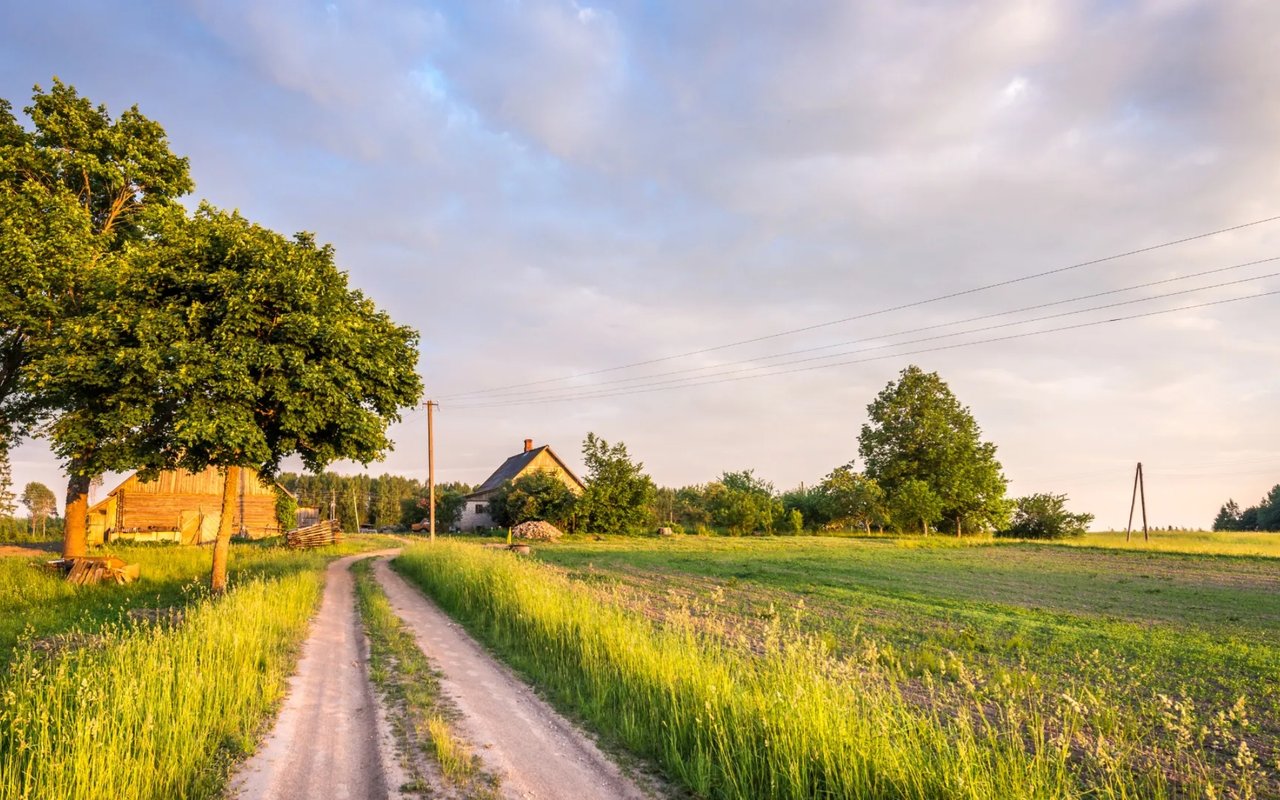
Dreaming of a mini-farm, food gardens, or more privacy in Cumberland, Royston, Black Creek, or Merville? Here’s a practical, BC-specific primer before you buy rural property.
1) Zoning Basics (and ALR)
- The Agricultural Land Reserve (ALR) protects farmland and prioritizes agriculture; permitted uses and subdivision rules are specific. Read the ALC’s “Permitted Uses” overview and, where relevant, the Homesite Severance policy. ALC BC
- Outside the ALR, consult the Comox Valley Regional District Rural Zoning Bylaw to confirm what’s allowed on the parcel (suites, setbacks, animal numbers, etc.). Comox Valley Regional District
2) Keeping Chickens & Small Livestock
Backyard chickens are often treated as “domestic agriculture” in rural zoning—confirm the exact zone/lot size and any coop or run requirements. (CVRD staff reports and the bylaw define terms and permitted uses.)
3) Water: wells, Licenses & Registration
Domestic household well use: no license required, but the Province encourages well registration so your use is visible in water-management decisions. Government of British Columbia
Agricultural/other non-domestic use (e.g., market gardens or small ag enterprises) generally requires licensing under the Water Sustainability Act. Government of British Columbia
4) Septic Systems
Most rural homes rely on onsite sewerage. Island Health explains permitting, Letters of Certification, and your obligation to follow the system’s maintenance plan—important for due diligence.
5) “Farm Class” Property Tax
- BC Assessment will only classify land as “farm” if the property meets qualifying agricultural-use and production thresholds; read the application page (and deadlines) before you count on tax changes.
- BC Assessment
- assessmentappeal.bc.ca
6) Insurance & Access
- Insurers may ask about fire protection (hydrants, distance to hall), road access, and outbuilding values. (Work with a local broker; requirements vary.)
7) Site Systems & Records
- Ask for well logs (GWELLS), septic records, and any Geotech or environmental reports—these documents speed up financing and make your offer stronger.
- obwb.ca
8) Plan Your Lifestyle (Time & Tools)
- Acreage living is rewarding—but it’s more maintenance. Budget time for mowing, drainage, driveway upkeep, and seasonal chores (see the fall checklist post above).